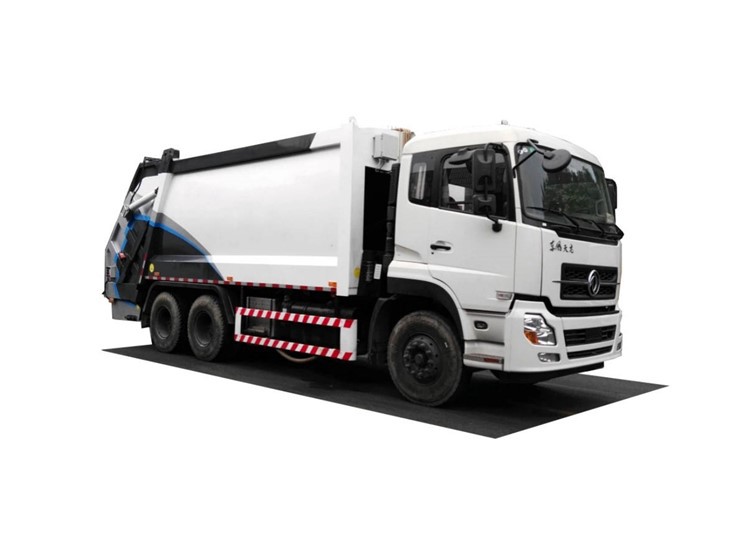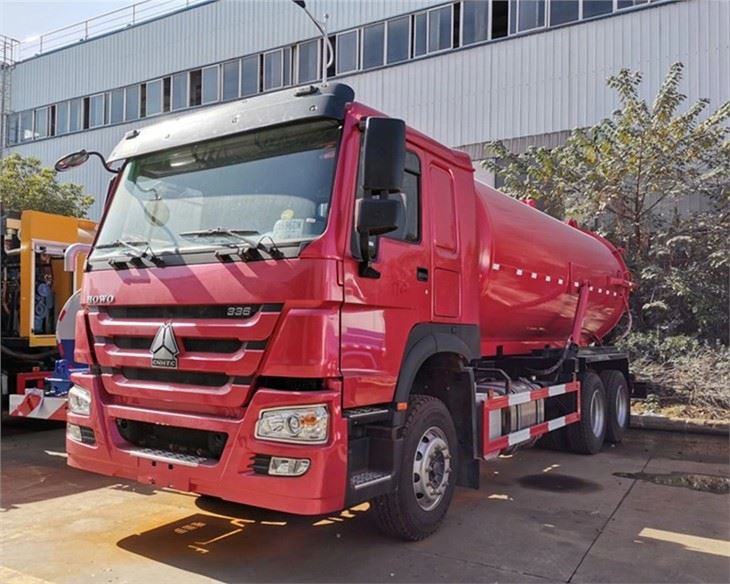
Hazmat cargo tank trucks play a crucial role in the transportation of hazardous materials. This article delves into everything you need to know about these specialized vehicles, including their types, regulatory standards, safety measures, and best practices for handling and transportation.
1. What are Hazmat Cargo Tank Trucks?
Hazmat cargo tank trucks are specialized vehicles designed for the transport of hazardous materials. These materials can include anything from flammable liquids, chemicals, and gases to radioactive substances. The design and construction of these trucks ensure the safe transportation of these potentially dangerous goods.
2. Types of Hazmat Cargo Tank Trucks
Understanding the different types of hazmat cargo tank trucks is crucial for anyone involved in the transportation industry.
2.1. Tankers
Tankers are the most common type of hazmat cargo tank trucks. They come in various shapes and sizes, often classified by the types of materials they carry.
2.1.1. Non-pressurized Tankers
These tankers are used for transporting liquids that do not require pressure for storage and transportation. Examples include water and certain chemicals.
2.1.2. Pressurized Tankers
Pressurized tankers are designed to transport gases or liquids that need to be stored under pressure, such as propane and other volatile substances.
2.2. Dry Bulk Cargo Tank Trucks
These trucks are designed to transport dry materials such as powders and granules, including certain chemicals. They have a different structure compared to liquid tankers.
2.3. Intermodal Tank Containers
Intermodal tank containers can be transported using multiple modes of transportation, such as trucks and trains. They are often used for international shipping of hazardous materials.
3. Regulations Governing Hazmat Cargo Tank Trucks
Given the risks associated with hazardous materials, strict regulations govern the transportation of hazmat cargo tank trucks.
3.1. OSHA Regulations
The Occupational Safety and Health Administration (OSHA) outlines safety protocols for the handling and transportation of hazardous materials. Regulations cover labeling, storage, and employee training requirements.
3.2. DOT Regulations
The Department of Transportation (DOT) regulates hazmat transportation, setting standards for packaging, labeling, and vehicle specifications. Trucking companies must comply with these regulations to ensure safe transport.
3.3. EPA Standards
The Environmental Protection Agency (EPA) imposes standards to protect the environment from hazardous spills or leaks during transportation. Companies must follow these guidelines to minimize environmental impact.
4. Safety Measures for Hazmat Cargo Tank Trucks
The transportation of hazardous materials poses serious risks; thus, safety measures are paramount.
4.1. Training and Certification
All drivers and handlers of hazmat cargo must undergo rigorous training and obtain necessary certifications. Annual refresher courses help keep skills current.
4.2. Emergency Response Planning
Companies must have an emergency response plan in place in case of leaks or spills. This plan should outline steps to take, including contacting local emergency services.
4.3. Regular Vehicle Maintenance
Regular inspection and maintenance of hazmat cargo tank trucks are crucial. Trucks should be inspected for leaks, corrosion, and overall structural integrity.
5. Best Practices for Hazardous Materials Transportation
Implementing best practices can significantly enhance safety when transporting hazardous materials.
5.1. Proper Loading Techniques
Ensure that hazardous materials are loaded according to weight and volume specifications. Proper loading helps maintain vehicle stability, thus preventing accidents.
5.2. Effective Communication
Clear communication among team members is essential. Utilize standardized codes and markings for identifying hazardous materials.
5.3. Route Planning
Plan routes ahead of time, avoiding populated areas whenever possible. Always have contingencies in place for adverse weather conditions.
6. Technological Advances in Hazmat Cargo Transportation
Modern technology plays a significant role in improving the safety and efficiency of hazmat cargo transportation.
6.1. GPS Tracking Systems
GPS tracking systems enhance route planning and allow real-time monitoring of cargo trucks, providing data on location, speed, and potential deviations.
6.2. Advanced Safety Features
Many contemporary trucks feature advanced safety technologies like collision prevention systems, stability control, and automatic braking.
7. Case Studies in Hazmat Transportation
Real-world examples highlight both successful practices and lessons learned from accidents.
7.1. Case Study: Successful Hazmat Transport
A trucking company implemented a comprehensive training program resulting in a 25% reduction in hazmat-related incidents within a year.
7.2. Case Study: Lessons from an Accident
An incident involving a leak from a poorly maintained tank truck served as a wake-up call for the industry, leading to stricter maintenance regulations.
8. Environmental Impact of Hazmat Trucking
Hazmat transportation can have significant environmental effects if not managed properly. Understanding these impacts is crucial for responsible operation.
8.1. Spills and Contaminants
Hazardous spills can lead to soil and water contamination, posing risks to human health and wildlife.
8.2. Regulatory Measures
Governments worldwide are implementing stricter regulations for hazmat transportation to mitigate environmental risks.
9. Future Trends in Hazmat Cargo Tank Trucks
As the transportation industry evolves, several trends are emerging in the realm of hazardous materials.
9.1. Electric and Alternative Fuel Trucks
With the push for sustainability, many companies are exploring electric trucks designed for hazmat transport.
9.2. Increased Automation
Automation in the form of self-driving trucks could potentially revolutionize the industry, though safety concerns remain a primary focus.
10. Frequently Asked Questions (FAQs)
10.1. What types of materials can be transported in hazmat cargo tank trucks?
Hazmat cargo tank trucks can transport a variety of hazardous materials, including flammable liquids, corrosive substances, gases, and toxic materials.
10.2. What regulations govern the transport of hazardous materials?
Transportation of hazardous materials is governed by regulations from the OSHA, DOT, and EPA, among others, covering various aspects of safety and compliance.
10.3. How often should hazmat trucks be inspected?
Hazmat trucks should undergo regular inspections, at least quarterly, to ensure compliance with safety standards and identify potential issues.
10.4. What should I do in case of a hazmat spill?
In case of a hazmat spill, immediately follow your emergency response plan, evacuate the area if necessary, and contact local authorities.
10.5. Are there specific licenses required to operate hazmat cargo tank trucks?
Yes, drivers of hazmat cargo tank trucks must obtain a Commercial Driver’s License (CDL) with a hazmat endorsement, which requires background checks and additional training.
10.6. What are the consequences of non-compliance with hazmat regulations?
Non-compliance with hazmat regulations can result in severe penalties, including fines, license revocations, and potential criminal charges depending on the severity of the violation.