Concrete mixer trucks are vital in the construction industry, allowing for the efficient transportation of concrete from batching plants to job sites. One crucial aspect of these trucks is the number of tires they have, which can significantly impact their performance, stability, load capacity, and overall efficiency. This article explores the number of tires on concrete mixer trucks, their configurations, and the implications for use in various construction scenarios.
1. Introduction to Concrete Mixer Trucks
Concrete mixer trucks play a fundamental role in delivering concrete for construction projects. These trucks not only transport materials but also mix them to ensure consistency and quality. Understanding the specifics of a concrete mixer truck, including its anatomy, design, and functionality, is essential for those involved in the construction industry.
2. The Anatomy of a Concrete Mixer Truck
2.1. Basic Components
A concrete mixer truck consists of several key components:

- Chassis: The framework of the truck that supports the mixer and other components.
- Mixer Drum: The rotating container where concrete is mixed and stored during transportation.
- Discharge Chute: A funnel-like structure that allows concrete to be poured at the job site.
- Prime Mover: The engine or motor that powers the truck and the mixer.
2.2. Tire Configuration
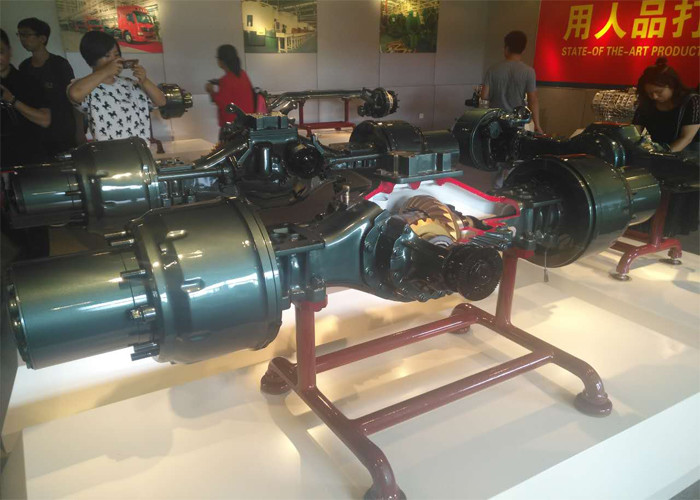
The number of tires on a concrete mixer truck varies depending on its size and weight-carrying capacity. Typically, mixer trucks have different configurations to optimize performance and safety on different terrains.
3. Common Tire Configurations for Concrete Mixer Trucks
3.1. Standard Tire Configuration
Most concrete mixer trucks come equipped with a standard configuration of six tires:
- Two front tires
- Four rear tires
This configuration is typical for medium to large mixer trucks and provides a balance between weight distribution and maneuverability.

3.2. Heavy-Duty Mixer Trucks
Heavy-duty concrete mixer trucks, designed to carry larger loads, can feature eight tires:
- Two front tires
- Six rear tires
This additional pair of tires helps distribute the weight of the heavy load more evenly, leading to better stability and traction.
3.3. Specialized Concrete Mixer Trucks
Some specialized mixer trucks, engineered for off-road or rugged terrain, may have variations in tire number and size. For instance:

- Four-ton trucks might have six tires for better on-site maneuverability.
- Concrete pump trucks may also utilize different configurations based on the mixture they need to pump.
4. Factors Influencing the Number of Tires
4.1. Weight Capacity
The load-bearing capacity of a concrete mixer truck is a primary factor in determining the number of tires. The more tires a truck has, the greater its load capacity can be because the weight is more evenly distributed across more contact points with the road.
4.2. Terrain Considerations
If concrete is needed for projects in rugged terrains, trucks may have different tire configurations to enhance traction and stability. Construction sites with uneven surfaces often benefit from heavy-duty models.
4.3. Regulations and Standards
Local and national regulations regarding vehicle weight limits and tire requirements can dictate the design and configuration of concrete mixer trucks. Understanding these regulations is crucial for compliance and operational efficiency.
5. Impact of Tire Configuration on Performance
5.1. Stability and Traction
Having the appropriate number of tires enhances grip and stability. A concrete mixer truck with four rear tires tends to have better traction, especially when fully loaded, reducing the chances of slippage during delivery. This is particularly important in wet or uneven conditions.
5.2. Maneuverability
While trucks with more tires provide stability and load capacity, they can also affect maneuverability in tight spaces. For example:
- A six-wheeled truck may be easier to navigate in narrow streets compared to an eight-wheeled model.
- Conversely, a truck with more tires might be ideal for larger job sites where stability is prioritized.
6. Maintenance Considerations for Tires
6.1. Regular Inspections
Tire maintenance is critical for safety and performance. Regular inspections should include:
- Checking for wear and tear
- Ensuring proper tire pressure
- Monitoring tread depth
6.2. Tire Replacement
Understanding the signs that indicate when tires need replacement is essential for vehicle longevity and safety:
- Excessive wear
- Visible cracks or bulges
- Poor traction on wet surfaces
7. Cost Considerations Related to Tires
7.1. Initial Setup Costs
The number of tires can impact the initial cost of purchasing a concrete mixer truck. While trucks with more tires may be pricier due to their complex design and additional components, they might be more cost-effective in the long run due to better load management and stability.
7.2. Maintenance Expenses
More tires equate to increased maintenance and replacement costs. It’s important to factor in the ongoing costs when investing in a truck for your concrete delivery operations.
8. Practical Examples of Concrete Mixer Truck Usage
8.1. Residential Construction
In residential constructions, a standard six-tire concrete mixer truck is often sufficient. These trucks can effectively deliver concrete to driveways, patios, and foundations, providing a good balance of maneuverability and load capacity.
8.2. Large Commercial Projects
For large-scale commercial projects, an eight-tire concrete mixer truck is more effective due to its capacity to transport larger loads more safely and reliably.
8.3. Off-Road Applications
In off-road environments, specialized trucks with enhanced tire configurations—such as additional all-terrain tires—are more effective for delivering concrete to construction sites with challenging access.
9. Frequently Asked Questions (FAQs)
9.1. How many tires are on a standard concrete mixer truck?
Typically, a standard concrete mixer truck has six tires, but heavy-duty models can have up to eight tires.
9.2. Why do some concrete mixer trucks have more tires than others?
Additional tires provide better load distribution, stability, and traction, especially for heavier loads or rough terrains.
9.3. What are the maintenance requirements for concrete mixer truck tires?
Tire maintenance includes regular inspections for wear and tear, ensuring proper tire pressure, and monitoring tread depth.
9.4. How does tire configuration affect the cost of a concrete mixer truck?
A higher number of tires can increase the initial purchasing cost as well as ongoing maintenance costs, but they may enhance safety and efficiency.
9.5. Can I use a standard concrete mixer truck for off-road applications?
While standard concrete mixer trucks can handle some rough terrains, specialized trucks with more durable tires are suggested for consistent off-road use.
9.6. What should I consider when choosing a concrete mixer truck?
Considerations include the load capacity, type of terrain, regulatory requirements, and overall costs associated with maintenance and operational efficiency.