When it comes to waste management, selecting the right garbage truck model is crucial for operational efficiency, environmental sustainability, and cost-effectiveness. With numerous options available on the market, understanding the various types of garbage trucks and their unique features can empower municipalities, waste management companies, and consumers alike to make informed decisions.
Understanding Garbage Truck Models
Garbage trucks come in various models, each designed to meet specific needs and operational requirements. They can range from simple collection trucks to complex vehicles equipped with advanced technologies. Understanding these models can help in selecting the right type for your needs.
Types of Garbage Trucks
The following are the primary types of garbage trucks often used in waste collection:
- Rear Loader Trucks
- Side Loader Trucks
- Front Loader Trucks
- Roll-off Trucks
- Automated Trucks
Rear Loader Trucks
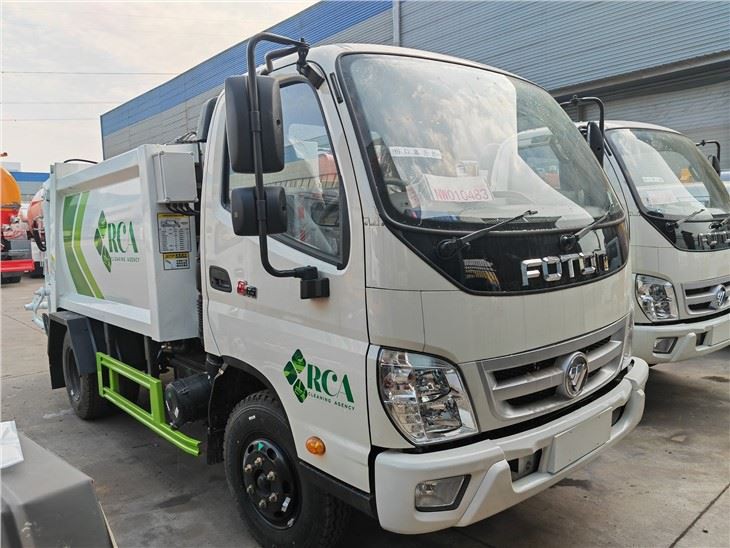
Rear loader trucks are perhaps the most common type used by municipalities. They feature a large rear-opening compartment where waste can be loaded manually or through automatic means. These trucks are great for densely populated areas where curbside collection is necessary.
Side Loader Trucks
Side loader trucks are designed for efficient operation in narrow streets and alleyways. They have a side lift arm that picks up bins placed at the curb, reducing the need for the driver to exit the vehicle. This model enhances safety and speeds up the collection process.
Front Loader Trucks
Front loader trucks are primarily used for commercial waste management, featuring large forks on the front that can lift and dump heavy containers. They are suitable for businesses that generate significant waste and are capable of handling large volumes efficiently.
Roll-off Trucks
Roll-off trucks are designed to transport large containers that can roll off the back of the truck. These are typically used for construction debris or large-scale cleanups, offering flexibility and convenience in waste handling.
Automated Trucks
Automated garbage trucks are equipped with robotic arms that can pick up bins and empty them into the truck’s hopper. This technology not only increases efficiency but also reduces the physical strain on operators.
Key Features to Consider in Garbage Truck Models
When evaluating different garbage truck models, certain features play a critical role in optimizing operations. Here are key features to consider:
Load Capacity
The load capacity of a garbage truck is fundamental. Depending on your requirements, you may need a truck that can accommodate larger loads to minimize the number of trips needed for collection.
Fuel Efficiency
Fuel efficiency is a major cost factor in waste management. Hybrid or electric garbage truck models are becoming more popular because they offer reduced emissions and lower operating costs.
Durability and Maintenance
Choose a garbage truck model built with durable materials to withstand harsh operational conditions. Regular maintenance is crucial, so consider models that are easy to service and repair.
Technology Integration
Modern garbage trucks come with many technologies, including GPS for route optimization and onboard weighing systems to track the weight of waste collected. These features can enhance operational efficiency.
Safety Features
Safety is paramount for garbage truck operations. Look for models equipped with features like backup cameras, collision avoidance systems, and ergonomic controls to minimize accidents and ensure driver safety.
Cost Considerations for Garbage Truck Models
Understanding the financial implications of different garbage truck models is essential for budget planning. Here are a few factors to consider:
Purchase Price vs. Leasing
The initial purchase price of a garbage truck can vary significantly depending on the model and features. Leasing options may provide financial flexibility but can come with additional long-term costs.
Operating Costs
Operating costs include fuel, maintenance, and insurance. Evaluating the efficiency of different models can help identify the best long-term financial options.
Popular Garbage Truck Models on the Market
Here are some well-known garbage truck models demonstrating a variety of features suited for different needs:
| Model | Type | Key Features | Load Capacity |
|---|---|---|---|
| Peterbilt 320 | Rear Loader | Low entry, ergonomic design | Up to 22,000 lbs |
| Volvo FE | Side Loader | Automatic side arm, excellent maneuverability | Up to 20,000 lbs |
| Freightliner M2 106 | Front Loader | Reliable performance, customizable bins | Up to 40,000 lbs |
| Kenworth T370 | Roll-off Truck | Built for heavy loads, multiple container options | Up to 30,000 lbs |
| AUTOCAR XPEDITOR | Automated Truck | High safety standards, efficient compaction | Up to 25,000 lbs |
Real-World Applications of Garbage Truck Models
Understanding how different garbage truck models are applied in the field can offer valuable insights. Here are some practical examples:
Municipal Waste Collection
Municipalities often deploy rear loader trucks for residential garbage collection. For example, a city might schedule weekly pickups, using these trucks to efficiently manage household waste.
Commercial Waste Management
Front loader trucks are ideal for businesses handling large garbage bins. For instance, a commercial facility might utilize a front loader to collect waste from various points within their premises several times a week.
Construction Sites
Roll-off trucks are frequently seen at construction sites, where they transport heavy materials and debris. A contractor may rent roll-off containers to keep the site organized and compliant with regulations.
Tips for Selecting the Right Garbage Truck Model
Choosing the right garbage truck model involves careful consideration of various factors. Here are some tips:
Assess Operational Needs
Examine your waste collection needs, including the volume of waste, the types of waste, and the areas you serve. This assessment will guide your choice.
Evaluate Budget Constraints
Determine your budget for purchasing or leasing a garbage truck. Include operating costs in your calculations to understand the long-term financial implications.
Check Local Regulations
Investigate any local regulations regarding waste collection, emissions standards, and vehicle specifications to ensure compliance when selecting a garbage truck model.
Conduct a Test Drive
Whenever possible, conduct a test drive of the garbage truck model you are considering. This allows you to assess handling, comfort, and operational features firsthand.
Maintenance Strategies for Garbage Trucks
Scheduled Inspections
Establish a routine inspection schedule to check for issues like fluid levels, brake performance, and tire pressure. Early detection of problems can save on costly repairs.
Cleaning Procedures
Keep the truck clean both inside and out. Regular cleaning helps prevent corrosion and keeps the vehicle looking professional.
Staff Training
Ensure that all drivers and maintenance personnel are properly trained in operating the garbage truck model. Knowledgeable staff can improve safety and operational efficiency.
FAQ About Garbage Truck Models
1. What is the average lifespan of a garbage truck?
The average lifespan of a garbage truck is typically between 10 to 15 years, depending on maintenance, usage, and the quality of the model chosen.
2. How can I choose the right garbage truck for my company?
Consider your waste collection needs, the types of waste you need to manage, and your budget when selecting a garbage truck. Evaluate different models based on features, load capacity, and operational efficiency.
3. Are there electric garbage truck models available?
Yes, several manufacturers offer electric garbage truck models that provide an eco-friendly alternative to traditional fuel-powered trucks, reducing emissions and operational costs.
4. What are the advantages of automated garbage trucks?
Automated garbage trucks enhance operational efficiency, ensure driver safety by minimizing manual handling, and can reduce labor costs associated with waste collection.
5. How much does a new garbage truck cost?
The cost of a new garbage truck can range significantly based on the model and features, typically falling between $150,000 to $300,000 or more.
6. Can garbage trucks operate in all weather conditions?
Most garbage trucks are designed to operate in various weather conditions, but precautions should be taken during severe weather to ensure safety and operational efficiency.