Introduction
Waste collection trucks play a crucial role in maintaining public health and cleanliness in urban and rural areas. These specialized vehicles are designed to collect, transport, and dispose of waste, ensuring that communities remain tidy and environmentally sustainable. In this article, we will explore various aspects of waste collection trucks—from types and features to maintenance tips and innovations in the industry. Our goal is to provide comprehensive and practical information for those interested in this essential service.
What is a Waste Collection Truck?
A waste collection truck is a vehicle specifically designed to gather and transport waste materials from residential, commercial, and industrial sites to disposal or recycling facilities. These trucks are equipped with features that facilitate efficient waste collection, including compaction systems, hydraulic lifts, and specialized containers. Understanding these components can help optimize the waste collection process.
Types of Waste Collection Trucks
Waste collection trucks come in several varieties, each suited for different types of waste and operational needs. Here are some common types:
1. Rear Loader Trucks
Rear loader trucks feature a compartment at the back of the vehicle for waste. Collectors empty bins by lifting them onto the truck’s platform. This type of truck is ideal for residential neighborhoods.
2. Front Loader Trucks
These trucks have large openings at the front and are designed for commercial waste collection. They handle dumpsters that can be easily accessed from the front, making them perfect for businesses and industrial sites.
3. Side Loader Trucks
Side loader trucks come with hydraulic arms on the side, allowing operators to pick up bins without having to leave the cab. This feature enhances safety and efficiency, particularly in densely populated areas.
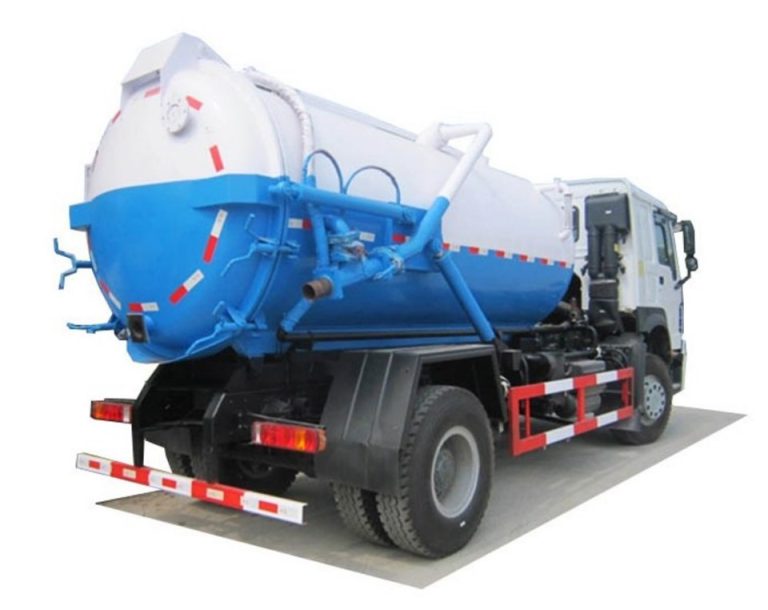
4. Vacuum Trucks
Vacuum trucks are specialized vehicles that collect liquid and semi-solid waste using suction. They are commonly used for septic tank cleaning and municipal sewer maintenance.
Features of Waste Collection Trucks
Modern waste collection trucks are equipped with various features designed to improve efficiency, safety, and environmental impact.
1. Compaction Systems
Many waste collection trucks are equipped with hydraulic compaction mechanisms, which compress waste to maximize load capacity. This feature reduces the number of trips needed to dispose of waste.
2. GPS Tracking
With GPS technology, fleet managers can monitor the location and performance of waste collection trucks in real-time, optimizing routes and improving service efficiency.
3. Safety Features
Safety is paramount in waste collection. Many trucks come with backup cameras, warning alarms, and secure cab designs to protect operators from accidents.
4. Eco-Friendly Technologies
Newer models of waste collection trucks often include eco-friendly technologies, such as electric or hybrid engines, to reduce emissions and energy consumption.
The Importance of Waste Collection Trucks in Communities
Waste collection trucks are vital for any community. They help maintain public health, promote environmental sustainability, and enhance aesthetics. Without an efficient waste collection system, communities would face increased health risks and environmental challenges.
Public Health and Safety
Proper waste management reduces the risk of disease by preventing the accumulation of waste that can harbor pests and harmful bacteria. Waste collection trucks also ensure that hazardous materials are handled appropriately.
Environmental Impact
Waste collection trucks facilitate recycling efforts by transporting recyclable materials to appropriate facilities. This encourages sustainable practices and helps reduce landfill usage.
Aesthetic Benefits
A clean and waste-free community is visually appealing and enhances property values. Regular waste collection improves neighborhood pride and fosters a sense of responsibility among residents.
Best Practices for Waste Collection Truck Operations
To ensure the efficient operation of waste collection trucks, municipalities and companies must implement best practices.
Regular Maintenance
Routine inspections and maintenance can prolong the lifespan of waste collection trucks. Key maintenance tasks include:
- Checking fluid levels (oil, coolant, and hydraulic fluids)
- Inspecting tires and brakes for wear
- Maintaining the compaction system and hydraulic components
- Performing regular engine diagnostics
Training Operators
Proper training for waste collection operators is essential. Drivers should be trained in safety practices, vehicle operation, and waste handling to minimize accidents and improve service delivery.
Implementing Technology
Utilizing technology such as route optimization software can improve collection efficiency, reduce fuel consumption, and lower operational costs.
Emerging Technologies in Waste Collection
The waste collection industry is evolving with technological advancements aimed at improving efficiency and sustainability.
Smart Waste Bins
Smart waste bins equipped with sensors notify collection crews when they are full, thus optimizing collection routes.
Electric Waste Collection Trucks
With a growing focus on sustainability, electric waste collection trucks are being introduced. They offer a lower environmental footprint and reduced operational costs.
Automated Collection Systems
Automated waste collection systems utilize robotics for waste handling, minimizing the need for manual labor and improving safety for workers.
Case Studies: Successful Waste Collection Programs
Several cities around the world have implemented successful waste collection programs that can be models for others.
City A: Innovative Route Optimization
City A implemented a GPS-based routing system for its waste collection trucks. As a result, the city was able to reduce collection times by 25%, leading to increased savings on fuel costs.
City B: Transitioning to Electric Trucks
City B made headlines after transitioning its waste collection fleet to electric trucks. This change led to a significant reduction in CO2 emissions and improved public perception of the city’s commitment to sustainability.
Costs and Budgeting for Waste Collection Services
Understanding the costs associated with waste collection services is crucial for municipalities and businesses.
Initial Investment
The initial investment in waste collection trucks can be substantial, with prices ranging from $200,000 to $500,000 depending on the type and features. Budget planning should consider ongoing expenses as well.
Operational Costs
Ongoing operational costs include fuel, maintenance, insurance, and salaries for drivers and support staff. A comprehensive budget plan should account for these factors.
Funding and Grants
Many government programs and nonprofit organizations offer grants for cities looking to enhance their waste management systems. Researching these funding opportunities can help mitigate costs.
Regulations and Compliance in Waste Collection
Compliance with local and federal regulations is essential for waste collection operations. Key areas include:
Environmental Regulations
Waste collection operations must adhere to environmental guidelines aimed at minimizing pollution and managing waste responsibly.
Safety Regulations
Trucks must be maintained according to safety regulations to protect both operators and the public from accidents.
Licensing and Training Requirements
Operators typically must hold specific licenses and undergo training on hazardous material handling, safety protocols, and vehicle operations.
FAQs About Waste Collection Trucks
1. How often should waste collection be done?
The frequency of waste collection depends on the type of waste, the population density of the area, and local regulations. Typically, residential areas see collections weekly, while commercial areas may require more frequent services.
2. What types of waste do collection trucks handle?
Waste collection trucks can handle various types of waste, including household garbage, recyclables, and yard waste. Specialized trucks can also manage liquid waste and hazardous materials.
3. How can communities promote better waste disposal practices?
Communities can promote better waste disposal practices through education campaigns, providing accessible recycling programs, and incentivizing participation in waste reduction initiatives.
4. What is the lifespan of a waste collection truck?
On average, a well-maintained waste collection truck can last between 10 to 15 years, depending on usage and the quality of maintenance.
5. Are there eco-friendly waste collection options available?
Yes, many companies are developing electric and hybrid waste collection trucks, allowing for more environmentally friendly waste management solutions.
6. What are the qualifications required to operate a waste collection truck?
Operators typically need a commercial driver’s license (CDL) and must complete training on vehicle operation, safety protocols, and waste handling procedures.