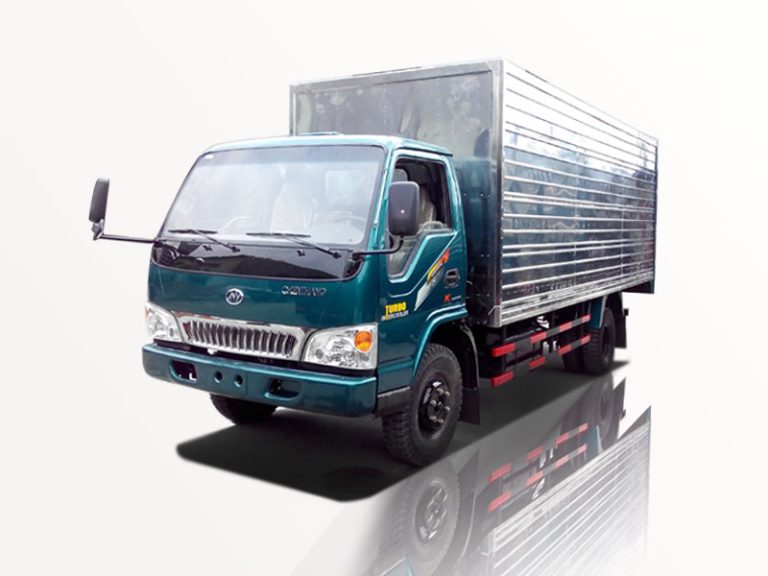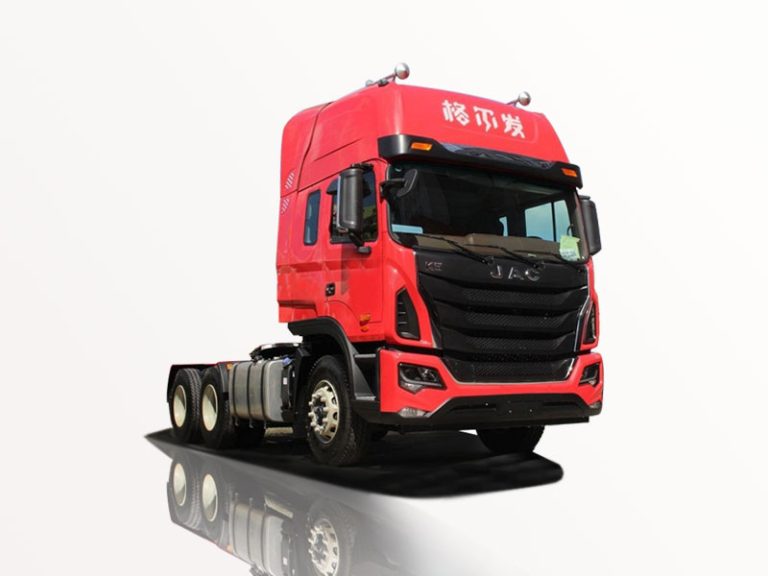
Are you considering investing in a shipping container truck? With the increase in demand for fast transport solutions, shipping container trucks have become indispensable. Whether for logistics, construction, or personal use, understanding your options can help you make an informed purchase. In this article, we will explore everything you need to know about shipping container trucks for sale, providing tips, examples, and detailed insights to guide your journey toward ownership.
1. Understanding Shipping Container Trucks
Shipping container trucks are specialized vehicles designed to transport shipping containers. These vehicles provide a secure method for moving goods from one location to another, primarily used in the logistics and transportation industry.
1.1 Types of Shipping Container Trucks
- Container Chassis Trucks: These trucks have a skeletal structure to accommodate containers of various sizes, allowing flexibility in transport.
- Flatbed Trucks: These trucks offer a flat surface for loading containers and can be used for other cargo as well.
- Customized Trucks: Many companies offer custom solutions for specific shipping needs, including reinforced bodies or specific loading features.
1.2 Key Components of Shipping Container Trucks
Understanding the components of a shipping container truck can influence your purchasing decision:
- Cab: The front section where the driver sits, typically equipped with modern technology for safety and efficiency.
- Chassis: The base frame that supports the truck and the shipping containers.
- Axles: Vital for the truck’s stability and weight distribution during transport.
- Container Locking Mechanisms: Features that secure the container during movement, preventing any potential loss or damage.
2. Benefits of Owning a Shipping Container Truck
Investing in a shipping container truck comes with numerous advantages:
- Cost-Effective: Owning a truck can reduce transportation costs in the long run compared to hiring shipping services.
- Increased Control: With your truck, you have better control over shipping schedules and routes.
- Improved Efficiency: Faster delivery times lead to improved client satisfaction and business efficiency.
- Versatile Use: Shipping container trucks can be used for various purposes, such as storage or mobile offices.
3. Factors to Consider When Buying a Shipping Container Truck
Before purchasing a shipping container truck, consider the following factors:
3.1 Budget Constraints
Evaluate how much you are willing to spend on a shipping container truck. Prices can vary significantly based on the make, model, and conditions of the vehicle.
3.2 Size and Capacity
Determine the sizes of the shipping containers you want to transport. Common sizes include:
| Container Size | Capacity (Cubic Feet) |
|---|---|
| 20 ft | 1,172 |
| 40 ft | 2,390 |
| 40 ft High Cube | 2,694 |
3.3 Fuel Efficiency
Consider the fuel efficiency of the truck. More fuel-efficient trucks can lead to significant savings over time.
3.4 New vs. Used
Decide whether you’d prefer a new container truck with the latest features or a used one that may cost less but could require more maintenance. Each option has its benefits:
- New Trucks: Often come with warranties and the latest technology.
- Used Trucks: Typically more affordable, but may require inspections and potential repairs.
4. Where to Find Shipping Container Trucks for Sale
Numerous avenues exist for purchasing shipping container trucks. Here are the best places to start your search:
4.1 Dealerships
Visit local dealerships specializing in heavy trucks and equipment. They often have a selection of new and used shipping container trucks.
4.2 Online Marketplaces
Utilize online marketplaces to find a wider variety of shipping container trucks:
- eBay Motors
- TruckPaper
- CommercialTruckTrader
4.3 Auctions
Consider bidding at auctions, where you can find trucks at potentially lower prices.
4.4 Local Classifieds
Check local classified ads and listings for individuals selling their shipping container trucks.
5. Financing Options for Shipping Container Trucks
If you need financial assistance, various financing options could be suitable for your situation:
5.1 Loans
Many banks and financing companies offer loans specifically for heavy equipment. Ensure you understand the terms before committing.
5.2 Leasing
Leasing is an option if you prefer lower monthly payments and flexibility without long-term ownership commitments.
5.3 Grants and Subsidies
Research if there are any available grants or subsidies in your area aimed at encouraging small businesses and start-ups.
6. Maintenance Tips for Shipping Container Trucks
Owning a shipping container truck requires regular maintenance to ensure longevity and efficiency. Consider these tips:
6.1 Regular Inspections
Conduct regular inspections of the truck’s mechanical systems and structural integrity. Check for signs of wear, rust, or damage.
6.2 Fluid Checks
Regularly check and change engine oil, coolant, brakes, and transmission fluids for optimal performance.
6.3 Tire Maintenance
Inspect tires for tread wear and ensure they are properly inflated to prolong their lifespan and improve fuel efficiency.
6.4 Keeping it Clean
A clean truck not only presents a good image but also helps maintain its condition. Regular washes can remove corrosive substances that can damage the body.
7. Practical Examples of Shipping Container Truck Uses
Shipping container trucks have versatile applications. Here are practical examples of how businesses utilize them:
7.1 Logistical Operations
Many logistics companies depend on shipping container trucks to transport goods across cities or states securely and efficiently.
7.2 Construction Sites
Construction companies often use shipping container trucks to bring in necessary supplies and equipment directly to their job sites.
7.3 Mobile Businesses
Entrepreneurs have transformed shipping container trucks into mobile offices, food trucks, or retail shops, taking their business directly to customers.
8. Environmental Considerations
Considering the environmental impact of transportation is becoming increasingly important. Shipping container trucks can also be more eco-friendly:
8.1 Reduced Carbon Footprint
Modern trucks often comply with stricter emissions standards, contributing to lower overall emissions compared to older vehicles.
8.2 Promoting Sustainable Practices
Using shipping containers minimize waste, especially when reused or recycled within the supply chain.
9. Legal Regulations for Shipping Container Trucks
Understanding the laws and regulations regarding shipping container trucks is crucial for compliance:
9.1 Required Licenses
Ensure drivers have the right commercial driver’s license (CDL) for operating heavy vehicles and transporting containers.
9.2 Weight Restrictions
Be aware of local weight restrictions to avoid fines and ensure safety on the roads.
9.3 Transportation Regulations
Stay updated with transportation regulations specific to your area, ensuring all necessary permits and documentation are in place.
10. FAQ About Shipping Container Trucks
10.1 What is the average cost of a shipping container truck?
The price for a shipping container truck can range between $30,000 to $100,000 depending on factors such as condition, brand, and additional features.
10.2 Can I finance a shipping container truck?
Yes, many financing options are available, including loans, leasing, and grants. Always review the terms carefully.
10.3 How often should I perform maintenance on my truck?
Regular maintenance checks should be done every 6 months, but it’s also essential to conduct regular inspections based on usage frequency.
10.4 Are used shipping container trucks reliable?
Used shipping container trucks can be reliable if properly inspected and maintained. It’s crucial to check the vehicle’s history and condition before purchase.
10.5 What type of cargo can I transport with a shipping container truck?
You can transport a variety of goods, including construction materials, retail inventory, and equipment, as long as they fit within the size and weight limits.
10.6 Do I need a special license to drive a shipping container truck?
Yes, a commercial driver’s license (CDL) is typically required to operate heavy-duty trucks, including shipping container trucks.