Introduction
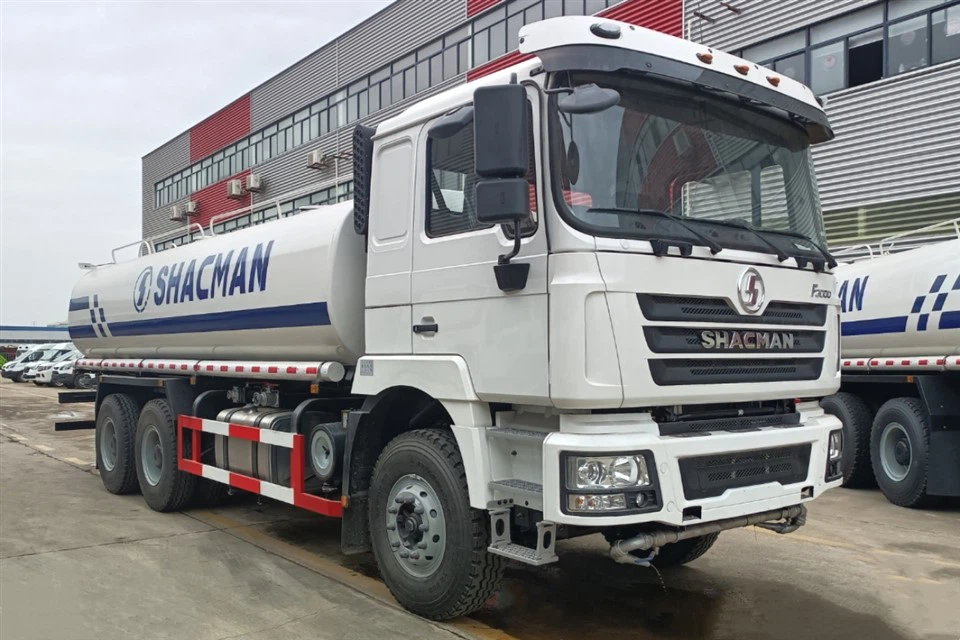
Tanker truck military vehicles play a vital role in modern military operations. Their primary function is to transport fuel, but they also serve in various logistical and operational capacities. As armed forces around the globe prioritize mobility, efficiency, and sustainability, tanker trucks have become essential assets. This article will delve into the purpose, specifications, maintenance, and advancements of military tanker trucks, along with practical tips and insights for understanding their critical functions.
The Role of Tanker Trucks in a Military Context
Military operations are complex and multifaceted, often requiring significant logistical support. Tanker trucks fulfill several critical roles:
Fuel Transportation and Distribution
The primary purpose of tanker trucks is to transport fuel. Fuel is the lifeblood of military operations, powering everything from aircraft to ground vehicles. Efficient fuel transportation ensures that combat units remain operational. Tanker trucks can store and distribute various types of fuel, including diesel, jet fuel, and aviation gasoline.
Logistical Support in Combat Zones
During combat, the mobility of troops and equipment is paramount. Tanker trucks are essential for establishing supply lines and ensuring that front-line units have the necessary resources to maintain their operations.
Emergency Response
In times of crisis, tanker trucks can provide immediate fuel supplies to essential services such as medical units and command centers, making them invaluable in emergency response scenarios.
Types of Military Tanker Trucks
There are several types of military tanker trucks, each designed to meet specific needs:
Refueling Trucks
These trucks are equipped with specialized nozzles and pumps for quick refueling of vehicles in the field. They are critical for maintaining operational readiness.
Fuel Tankers (Bulk Transport)
These large-capacity tankers transport fuel from supply depots to forward locations. They are designed for long-distance travel and often include sophisticated measurement and delivery systems.
Mobile Fuel Stations
Some tanker trucks are equipped to serve as mobile fuel stations, providing direct refueling services in the field where fixed station infrastructure is absent.
Specifications of Military Tanker Trucks
Military tanker trucks come with various specifications to handle their unique tasks:
| Specification | Details |
|---|---|
| Capacity | Typically ranges from 2,000 to 5,000 gallons |
| Power | Varying horsepower, commonly between 300 to 600 HP |
| Weight | Usually between 10,000 to 30,000 lbs (unladen) |
| Drive Type | 4×4 or 6×6 configurations for rough terrain |
| Armor | Optional ballistic protection based on mission requirements |
Key Features of Military Tanker Trucks
Military tanker trucks are designed with various features to enhance their performance:
Durability and Field Readiness
Built to withstand harsh environments, military tanker trucks are equipped with rugged tires and reinforced structures. They are often built on heavy-duty chassis to support the weight of fuel and withstand the rigors of field operations.
Advanced Pumping Systems
Many military tanker trucks come with integrated pumping systems capable of high-pressure delivery, ensuring fast refueling operations. They also often have multiple outlets to refuel several vehicles simultaneously.
Fuel Management Systems
Modern tanker trucks incorporate fuel management systems that provide real-time data on fuel levels, usage, and distribution, ensuring efficient supply management.
Maintenance of Tanker Trucks
Proper maintenance is essential to extend the lifespan and functionality of military tanker trucks:
Regular Inspections
Routine inspections should be conducted to identify potential issues such as leaks, worn tires, and mechanical failures. Maintenance schedules should align with operational demands.
Fuel Quality Checks
Ensuring fuel quality is paramount; contaminants can damage engines and systems. Regular testing of fuel samples is critical.
Training for Operators
Operators must receive comprehensive training on both operational and maintenance procedures. This training helps prevent accidents and equipment failures in feverish operational environments.
Challenges Facing Military Tanker Trucks
Despite their importance, military tanker trucks face several challenges:
Vulnerability in Combat Zones
Tanker trucks can be prime targets for enemy attacks. Proper tactical deployment and security measures must be in place to protect these assets.
Logistical Coordination
As military operations become increasingly complex, the coordination of fuel deliveries with operational needs can present challenges. Effective communication systems are vital for addressing these logistical hurdles.
Environmental Concerns
As military forces strive to adapt to climate change, finding ways to reduce emissions and using more sustainable fuels is becoming increasingly important.
Future Trends in Military Tanker Trucks
The future of military tanker trucks is poised to undergo changes driven by technological advancements and changing operational needs:
Incorporation of Unmanned Systems
The use of automated and unmanned tanker trucks could increase efficiency and decrease crew risk, particularly in combat zones.
Hybrid and Electric Models
With the military exploring alternative energy solutions, hybrid and electric tanker trucks are gaining traction. These options could reduce dependency on fossil fuels and lower emissions.
Enhanced Communication and Tracking
Future tanker trucks may feature improved communication systems for real-time tracking and monitoring. This capability could streamline logistics and resource allocation.
Practical Examples of Usage
Military tanker trucks have been used effectively in numerous operations worldwide:
Operation Desert Storm
During the Gulf War, tanker trucks played a crucial role in supplying fuel to allied forces, enabling them to maintain continuous operations.
Afghanistan Operations
In Afghanistan, tanker trucks were integral in transporting fuel to remote bases, ensuring that coalition forces had the resources necessary for mission success.
Humanitarian Aid Missions
Tanker trucks have also been repurposed for humanitarian efforts following natural disasters to provide essential fuel supplies for relief operations.
Tips for Effective Management of Tanker Truck Operations
Organizations managing military tanker truck fleets can benefit from the following tips:
- Implement a comprehensive fuel management system to track usage and inventory.
- Conduct regular training sessions for operators and support staff to ensure safety and efficiency.
- Investment in modern technology can pay off in streamlined operations and reduced downtime.
- Develop contingency plans for fuel supply chain disruptions to maintain operational readiness.
FAQ
1. What is the primary function of military tanker trucks?
The primary function of military tanker trucks is to transport and distribute fuel to various military units, ensuring operational readiness in the field.
2. How many types of military tanker trucks are there?
Military tanker trucks typically fall into categories such as refueling trucks, bulk fuel transporters, and mobile fuel stations, each designed for specific operational needs.
3. What are the key features of military tanker trucks?
Key features include durability, advanced pumping systems, fuel management systems, and capabilities for quick refueling operations.
4. How does maintenance impact the effectiveness of tanker trucks?
Proper maintenance ensures the longevity and functionality of tanker trucks, minimizing downtime and preventing operational failures in critical situations.
5. What challenges do military tanker trucks face in combat areas?
Challenges include vulnerability to enemy attacks, logistical coordination issues, and the need for improved environmental sustainability strategies.
6. What does the future hold for military tanker trucks?
The future may see the integration of unmanned systems, hybrid/electric models, and enhanced tracking and communication technology for greater efficiency and reduced environmental impact.