Trash trucks play a vital role in keeping our communities clean and managing waste efficiently. In this comprehensive guide, we will explore the various aspects of trash trucks, their types, functioning, benefits, and much more. Whether you are curious about how they operate or looking for tips on how to engage with your local waste management system, this article covers all you need to know about a trash truck.
Understanding Trash Trucks
What is a Trash Truck?
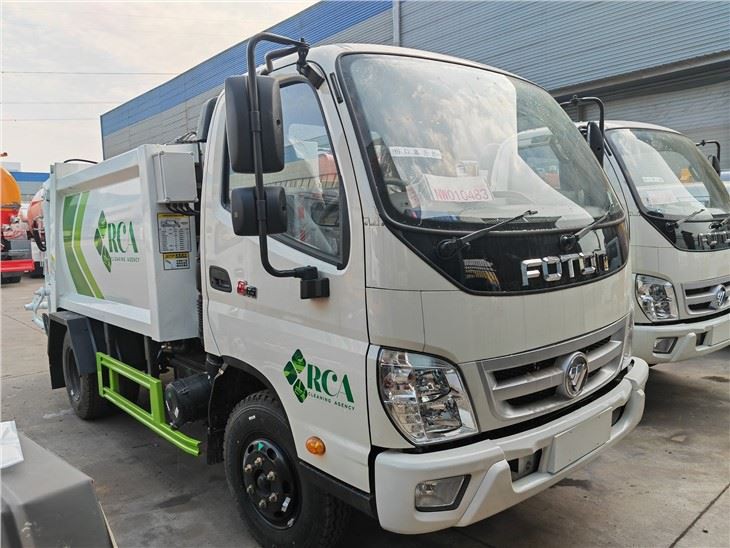
A trash truck, also known as a garbage truck or refuse truck, is a specialized vehicle designed to collect and transport waste and recyclables from residential and commercial areas to disposal or processing sites. These trucks come equipped with mechanisms to efficiently load waste, ensuring minimal manual labor is involved.
History of Trash Trucks
The modern trash truck has evolved significantly from its early days. The history dates back to the late 19th century when horse-drawn carts were used for waste collection. The introduction of motorized vehicles in the early 20th century paved the way for the first garbage trucks, which featured compacting systems to handle large volumes of waste. Over the decades, advancements in technology have led to more efficient and environmentally friendly models.
Types of Trash Trucks
1. Rear-Loader Trash Trucks
These are the most common type of garbage trucks. Rear-loaders have a large opening at the back where trash is loaded. They usually have a hydraulic arm that lifts and tilts bins, allowing for efficient loading directly into the truck’s hopper.
2. Front-Loader Trash Trucks
Front-loaders are typically used for commercial waste management. They are equipped with large forks at the front that can lift and dump dumpsters into the vehicle. This design is helpful for regularly scheduled collection in businesses and apartment complexes.
3. Side-Loader Trash Trucks
Side-loaders feature a mechanical arm that operates from the side of the truck. This allows for safe and efficient collection while keeping the driver safely inside the cab. These are often employed for residential routes where bins are placed curbside.
4. Automated Trash Trucks
Automated trucks heavily rely on robotic arms for waste collection. Drivers can operate these trucks from within the cabin, enhancing ergonomics and safety while reducing exposure to hazards on the street.
5. Specialty Trash Trucks
Some trucks are designed for specific types of waste collection, such as green waste, hazardous materials, or recyclables. These specialty trucks are built with appropriate storage systems and materials to ensure safety and compliance with regulations.
How Trash Trucks Work
Loading Mechanisms
Trash trucks utilize various loading mechanisms depending on their type. Rear-loaders and side-loaders generally use compactors to compress waste, maximizing the amount that can be transported in a single trip. Front-loaders are designed for easy maneuvering around dumpsters.
Compaction Process
The compaction process involves compressing the collected waste so it takes up less space in the truck. This is achieved through hydraulic systems that apply pressure to waste, reducing its volume. Effective compaction is crucial for efficient transportation and cost management.
Transportation and Disposal
After collecting waste, trash trucks transport it to landfills, recycling centers, or waste-to-energy plants. The route planning is critical to ensure efficiency, reduce fuel consumption, and adhere to local regulations.
Benefits of Trash Trucks
1. Efficiency in Waste Collection
Trash trucks enhance the efficiency of waste collection by allowing for faster loading and transportation compared to manual collection methods.
2. Environmental Protection
Modern trash trucks are equipped with environmentally friendly features, such as low-emission engines, promoting cleaner air and reducing the carbon footprint of waste management practices.
3. Improved Public Health
By maintaining a regular collection schedule, trash trucks help reduce the risk of pests and health hazards associated with accumulated waste.
Challenges Faced by Trash Trucks
1. Route Optimization
One of the biggest challenges faced by waste management companies is optimizing collection routes. Poorly planned routes can lead to increased fuel costs and longer collection times.
2. Maintenance and Repairs
Trash trucks undergo significant wear and tear due to the nature of their work. Regular maintenance and timely repairs are essential to ensure they function effectively and safely.
3. Public Awareness and Engagement
Educating the community about proper waste disposal and recycling practices is crucial. Lack of knowledge can lead to contamination in recycling bins or improper disposal of hazardous waste.
Choosing the Right Trash Truck for Your Needs
Factors to Consider
- Volume of Waste: Assess the amount of waste generated in your area to determine the appropriate size.
- Type of Waste: Consider if you need a truck for general waste, recycling, or hazardous materials.
- Budget: Analyze your budget for both purchasing the truck and its operating costs.
- Local Regulations: Familiarize yourself with local waste management regulations that may influence your choice.
Practical Examples
A small town may benefit from a couple of rear-loaders for efficient residential collection, while a city with a high volume of waste businesses might opt for several front-loaders and a few automated systems to manage collections effectively.
Future Trends in Trash Truck Technology
1. Electric Trucks
The movement towards electric trucks is gaining momentum. Electric trash trucks produce no tailpipe emissions and are quieter, making them ideal for urban waste collection.
2. Smart Waste Management
Integration of technology such as GPS and IoT allows for real-time monitoring of waste levels in bins, optimizing collection routes and schedules based on actual data.
3. Autonomous Trash Collection
As autonomous vehicle technology develops, we may see fully automated trash trucks that can navigate streets and collect waste without human intervention, further improving efficiency and safety.
Tips for Residents on Waste Management
1. Proper Waste Segregation
Separate your waste into recyclables, compostables, and general garbage to minimize landfill use and maximize recycling rates.
2. Bulk Waste Pickup Scheduling
Check with your local waste management for scheduled bulk waste collection days and follow guidelines for placing items curbside.
3. Reduce, Reuse, Recycle
Practice the three Rs in your daily life to minimize waste. Think creatively about how to reuse items before discarding them.
FAQs about Trash Trucks
1. How often do trash trucks collect waste in residential areas?
Most residential areas have waste collection services at least once a week, but it can vary by location.
2. What happens to waste after it is collected?
After collection, waste is transported to landfills, recycling facilities, or waste-to-energy plants where it is processed accordingly.
3. Are there regulations regarding the operation of trash trucks?
Yes, trash trucks must adhere to local and federal regulations regarding emissions, safety standards, and waste management practices.
4. How can I report missed waste collection?
You can typically report missed collections by contacting your local waste management service or through their website or app.
5. What should I do with hazardous waste?
Hazardous waste should not be placed in regular trash. Most communities offer designated drop-off sites or special collection days for hazardous materials.
6. How can I request a new trash bin?
If you need a new trash bin, contact your local waste management department for specific instructions on requesting one, as policies vary by location.