Introduction
Dump trucks play a vital role in construction, mining, and transportation industries, serving as powerful vehicles designed to transport bulk materials such as soil, gravel, sand, and other aggregates. Understanding the various classes of dump trucks is essential for both industry professionals and anyone interested in this powerful machinery. This article will explore the different dump truck classes, their specific uses, and features, giving you a comprehensive understanding of how these vehicles operate within different sectors.
1. What is a Dump Truck?
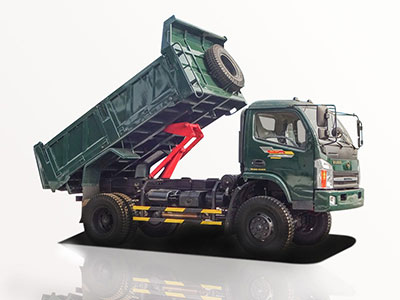
A dump truck is a truck used for transporting loose material such as sand, gravel, or demolition waste. They are defined by their open boxes and hydraulic lift systems that allow the contents to be dumped onto the ground. While dump trucks may seem similar in function, they come in various classes that cater to different needs and industries.
2. Classes of Dump Trucks
Dump trucks are categorized into several classes based on their size, functionality, and design. The following sections will explore the primary classes of dump trucks in detail.
2.1. Class 1: Mini Dump Trucks
Mini dump trucks are typically small and compact, perfect for navigating through tight spaces and urban environments. They hold a limited amount of weight and volume, typically suitable for small landscaping jobs or home renovations. Common features include:
- Payload Capacity: 1-5 tons
- Dimensions: Smaller frame for urban use
- Applications: Residential landscaping, small construction sites
2.2. Class 2: Standard Dump Trucks
The standard dump truck is the most commonly seen type on job sites. They offer a balanced combination of payload capacity and maneuverability. These trucks are versatile and used across different sectors.
- Payload Capacity: 5-15 tons
- Dimensions: Moderate size for general usage
- Applications: Construction sites, roadwork
2.3. Class 3: Heavy-Duty Dump Trucks
Heavy-duty dump trucks are built for larger projects requiring more substantial payload capacities. They are often used in more challenging terrain or rugged environments where durability is essential.
- Payload Capacity: 15-30 tons
- Dimensions: Larger chassis designed for heavy loads
- Applications: Mining, large-scale construction projects
2.4. Class 4: Articulated Dump Trucks
Articulated dump trucks feature a flexible joint between the cab and the dump body. This design improves maneuverability, making it suitable for rough terrains and off-road applications.
- Payload Capacity: 25-40 tons
- Dimensions: Designed for stability and balance
- Applications: Mining, quarry operations
2.5. Class 5: Super Dump Trucks
Super dump trucks are advanced versions of the traditional dump trucks, featuring an additional axle to increase payload capacity while maintaining road safety and stability.
- Payload Capacity: 26-40 tons
- Dimensions: Additional axle for enhanced weight distribution
- Applications: Heavy civil construction, extensive earth-moving operations
2.6. Class 6: Side Dump Trucks
Side dump trucks offer a unique design where the cargo is dumped to the side instead of the rear. This design allows for greater stability and can be advantageous in certain applications.
- Payload Capacity: 12-20 tons
- Dimensions: Wide with a robust design
- Applications: Road construction, coordinated on-site material distribution
2.7. Class 7: Double Bottom Dump Trucks
Double bottom dump trucks feature two separate dump bodies, allowing for efficient unloading of different materials without needing to make multiple trips.
- Payload Capacity: 20-30 tons
- Dimensions: Lengthy, often used for bulk transport
- Applications: Large-scale construction, road projects
3. Key Features of Dump Trucks
When selecting a dump truck, it’s essential to understand its features. Here are some critical aspects to consider:
3.1. Bed Length and Capacity
The bed length and capacity will determine how much material can be moved in a single trip. Different projects may require different capacities.
3.2. Axle Configuration
Axle configurations affect the truck’s stability and load-bearing capacity. More axles can improve load distribution and increase payload capacity.
3.3. Engine Power
Engine power is crucial for ensuring the truck can handle the demands of heavy loads and rough terrain.
3.4. Frame Construction
The materials and construction of the frame affect durability. Heavy-duty frames are essential for trucks used in challenging conditions.
4. Applications of Dump Trucks by Class
Different classes of dump trucks excel in various applications. Understanding these applications can guide purchasing or rental decisions.
4.1. Mini Dump Trucks
Ideal for residential projects, mini dump trucks are often used in:
- Landscaping
- Home renovation
- Utility work
4.2. Standard Dump Trucks
Commonly found on construction sites, they are versatile enough for:
- Hauling aggregate
- Delivering materials for building projects
- Excavation work
4.3. Heavy-Duty Dump Trucks
Used for larger projects such as:
- Mining operations
- Large-scale highway construction
4.4. Articulated Dump Trucks
Great for rugged terrains, they are typically found in:
- Quarries
- Sloped surfaces
5. Practical Tips for Operating Dump Trucks
Operating dump trucks efficiently requires attention to both safety and skill. Here are some practical tips:
5.1. Pre-Operation Checks
Before using a dump truck, conduct comprehensive inspections for:
- Tires: Check for proper inflation and tread wear.
- Hydraulic systems: Ensure functionality and check for leaks.
5.2. Understanding Load Limits
Always adhere to the manufacturer’s specifications regarding load limits to ensure safety and efficiency.
5.3. Safe Driving Practices
Maintain a safe distance from other vehicles and be aware of your surroundings during operation.
5.4. Proper Unloading Techniques
When unloading, ensure the truck is on stable ground. Utilize proper techniques to prevent tipping.
6. Buying vs. Renting Dump Trucks
Choosing between buying or renting a dump truck will greatly depend on your project needs:
6.1. Factors to Consider
- Duration of use: For short-term projects, renting may be more economical.
- Cost: Assess the total cost of ownership versus rental fees.
- Maintenance: Consider who will handle maintenance and repairs.
6.2. Benefits of Renting
- Lower upfront costs
- No long-term commitment
6.3. Benefits of Buying
- Asset ownership
- Full control over the vehicle’s use and maintenance
7. Environmental Considerations
Dump trucks contribute to environmental concerns, and with that, regulations are coming into play:
7.1. Emission Standards
Always ensure your dump truck complies with local emission standards.
7.2. Eco-Friendly Options
Look for hybrid or electric dump trucks that reduce carbon footprint.
7.3. Sustainable Practices
Implement recycling and waste management practices when using dump trucks to promote sustainability in your projects.
8. FAQ Section
8.1. What is the maximum payload for a standard dump truck?
The maximum payload for a standard dump truck typically ranges from 5 to 15 tons, depending on the model and specifications.
8.2. Can I use a mini dump truck for commercial projects?
Yes, mini dump trucks can be suitable for small commercial projects, particularly those that require working in compact spaces.
8.3. How do I maintain a dump truck?
Regular maintenance includes inspecting tires, checking hydraulic systems, conducting engine service, and ensuring proper cleaning of the dump bed.
8.4. What type of dump truck is best for mountainous terrain?
Articulated dump trucks are ideal for mountainous terrain due to their flexibility and higher center of gravity.
8.5. Are there licensing requirements for operating a dump truck?
Yes, operating a dump truck typically requires a commercial driver’s license (CDL), depending on the truck’s weight and capacity.
8.6. What are the best practices for loading dump trucks?
Load dump trucks evenly, ensure weight distribution is balanced, and follow the manufacturer’s guidelines for safe loading capacities.